My home for the month in Jaipur was the University of Rajasthan Guest House. It is a spare building built in the late 40s. I felt a bit at home in the lobby where the “floating” staircase reminded one of the features of Mid-Century Modern architecture found in Miami Beach built at the same period.


My room faced a smaller paved courtyard with a towering tree. Birdsong resounds all day, including the yet to be seen peacocks of the University.
Guest House Meals. I had three daily meals in the dining hall of the Guest House. I quickly found out that the menu was vegetarian, which was fine with me. Actually, I had prepared many a vegetarian meal including when we hosted a group of young Indian filmmakers in our home (see 1-21-2020 post). My menu did not resemble anything I was served here.
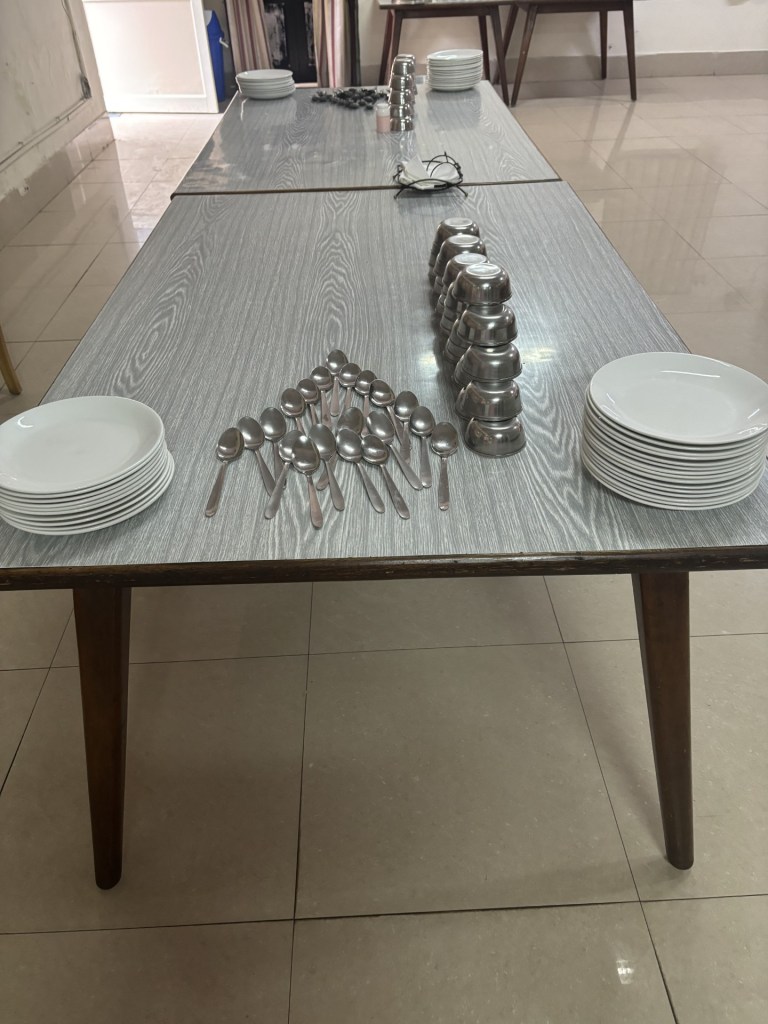
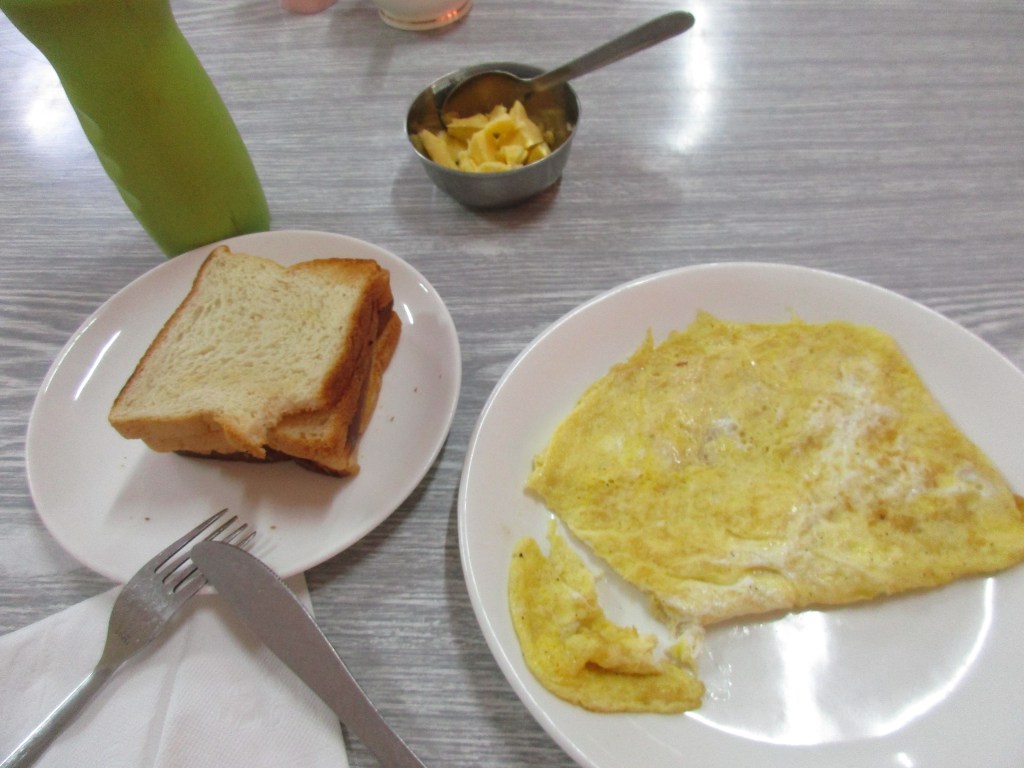
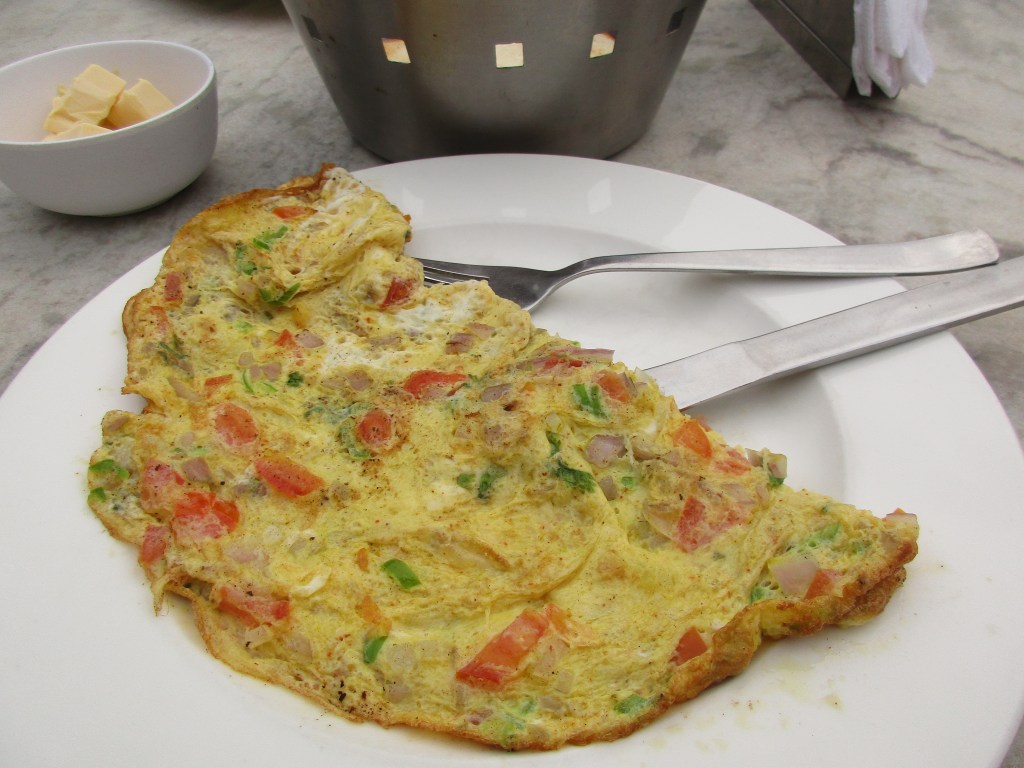
There were three choices for breakfast. The omelette with “toast” was my usual choice. During my last week, I asked if the plain eggs could be augmented with a little “masala” as I’d been served at my hotel I Jodphur. It was an improvement.
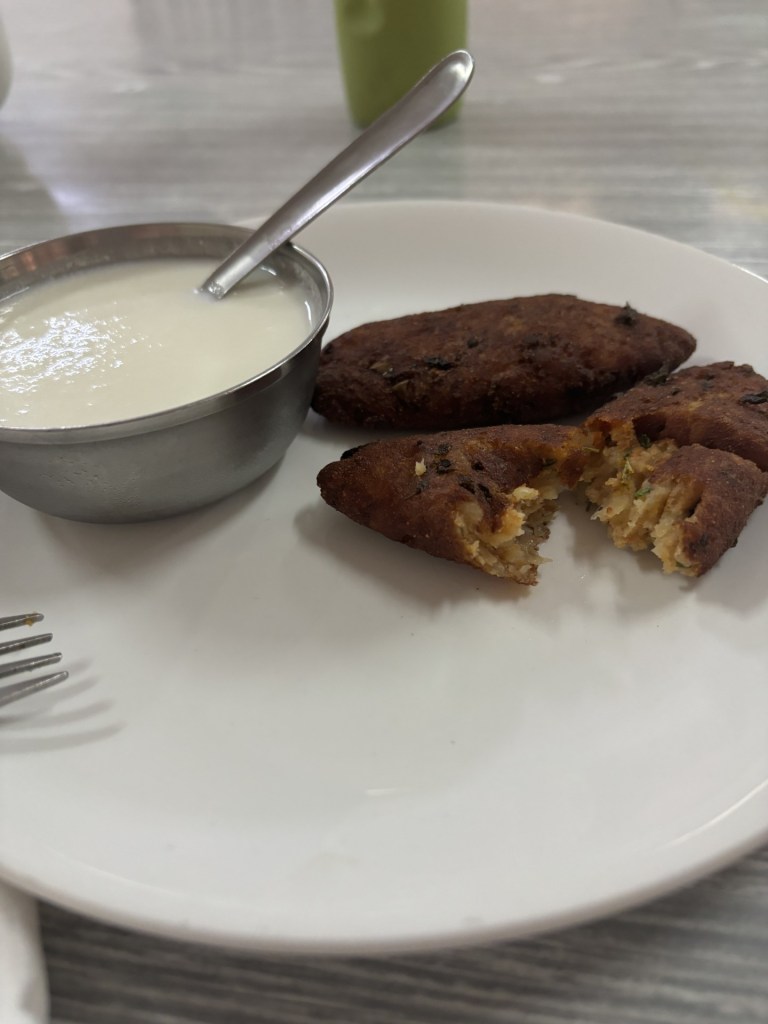
Another breakfast choice was cutlet, a breaded, crispy mashed vegetable fritter, similar to the croquettes found everywhere in Miami. I tried it here and on the train to Jodphur and returned to the familiar omelette.
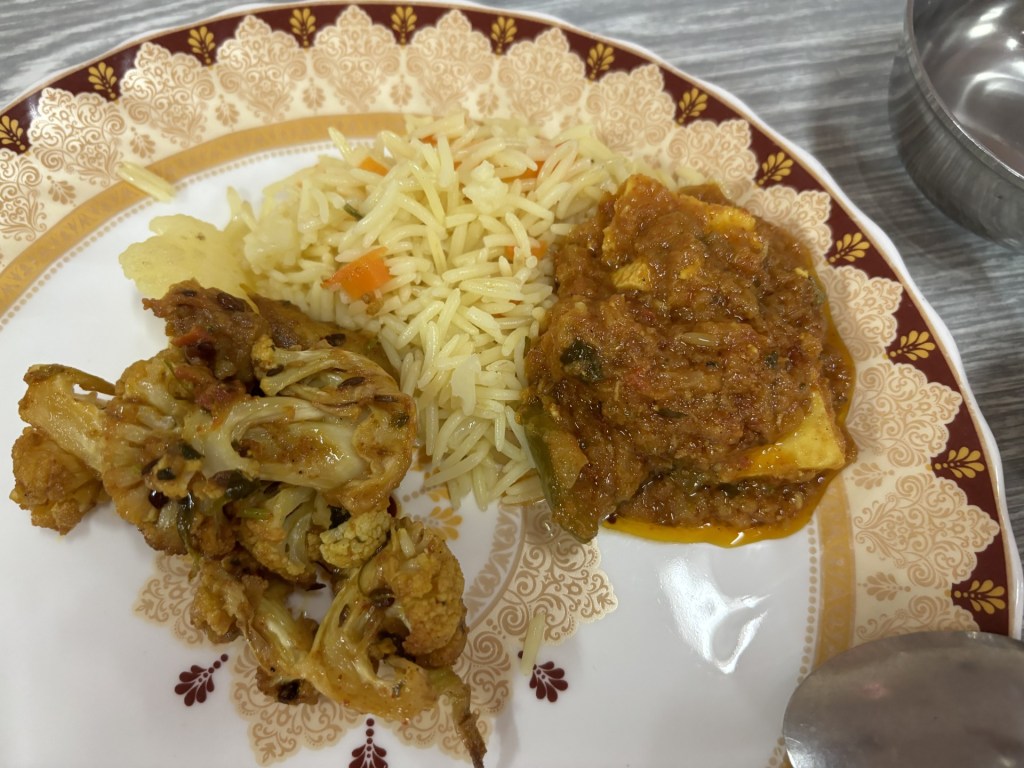
The lunch and dinner menus were essentially the same: bowls of steamed rice, some sort of stewed vegetable (often a mystery), daal, and curd or yogurt.
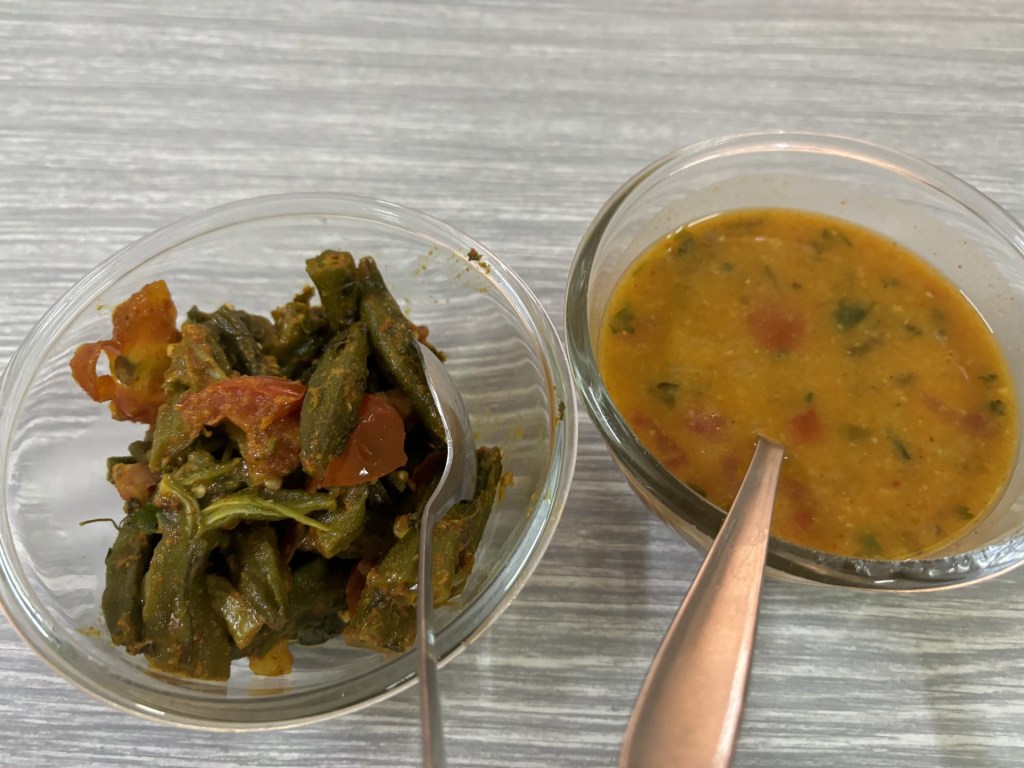
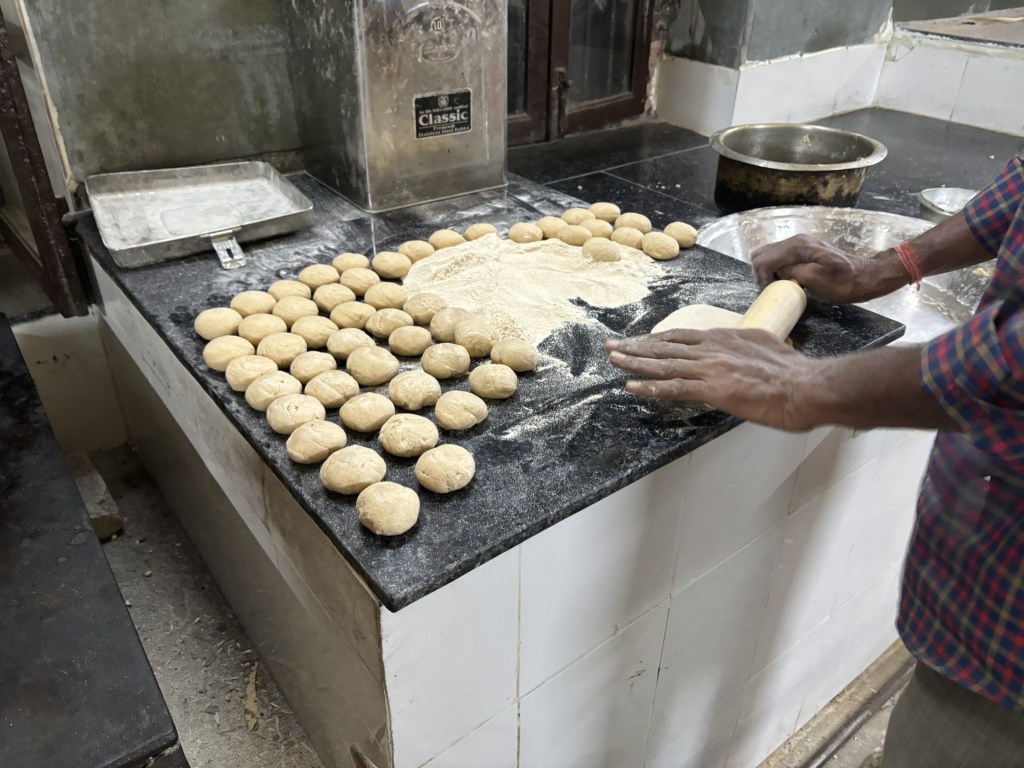
Each meal was accompanied by fresh chapatti and sometimes crisp, peppery papadom.
Early in my stay, I was taken to the kitchen to meet the cooks and see the chapatti preparation. Little did they know that I’d document their work.
Several varieties of curd were served. The daily version was a relatively thin yogurt. Another was filled with spheres. Lack of language skills stopped me from finding out what this was!

Early in my stay, I was invited to sit in on a conference on the works of Dayananda Saraswati (https://arshavidya.org/swami-dayananda-saraswati/) and the University Vedic Knowledge System. Unfortunately, most of the introductory addresses were in Hindi; I sat attentively smiling doing my best to keep my eyes open.
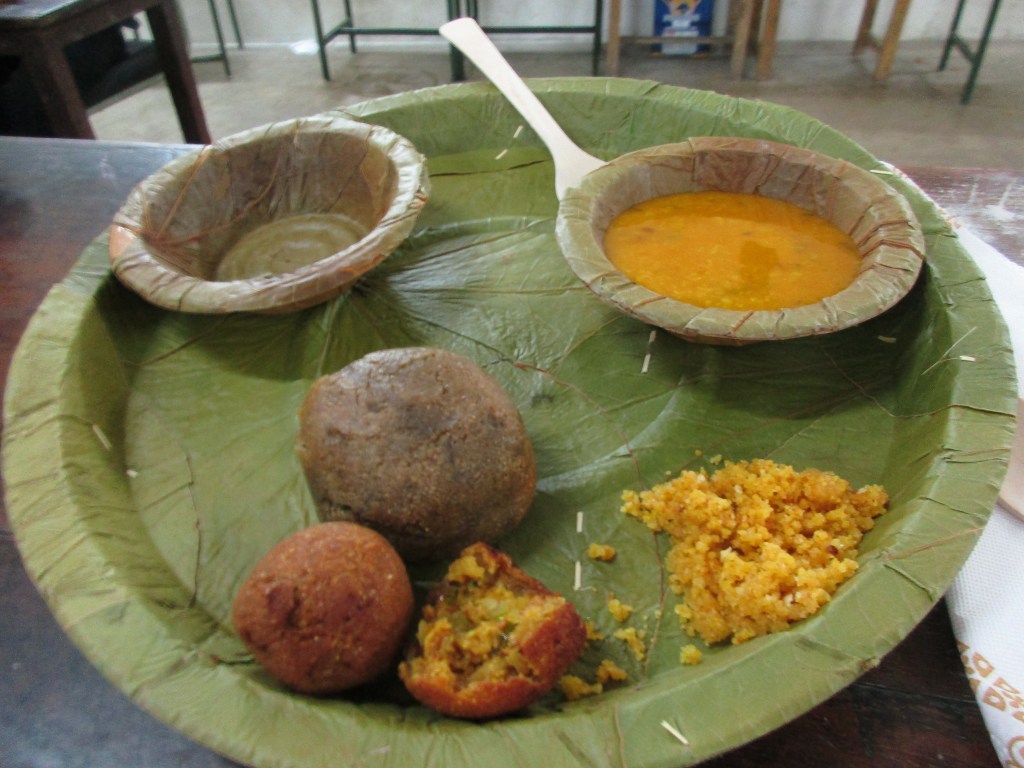
At lunch I was introduced to daal bati churma, a traditional Rajasthani food that I enjoyed in several settings. I was already used to daal, or a soup or curry made of a variety of pulses, part of my daily Guest House diet. Daal provides much of the protein in a vegetarian diet. Bati are baked or fried wheat balls that are crumbled into the dal. Churma is a powdered sugary cereal, often millet on the side. Note the dishes, made of dried leaves, talk about sustainable.
Classroom snacks. One afternoon as my lecture was winding down, “Professor,” a visiting art professor who frequently joined us, showed up with a tasty treat. I honestly don’t know what the tasty dish was that he prepared for all of us.

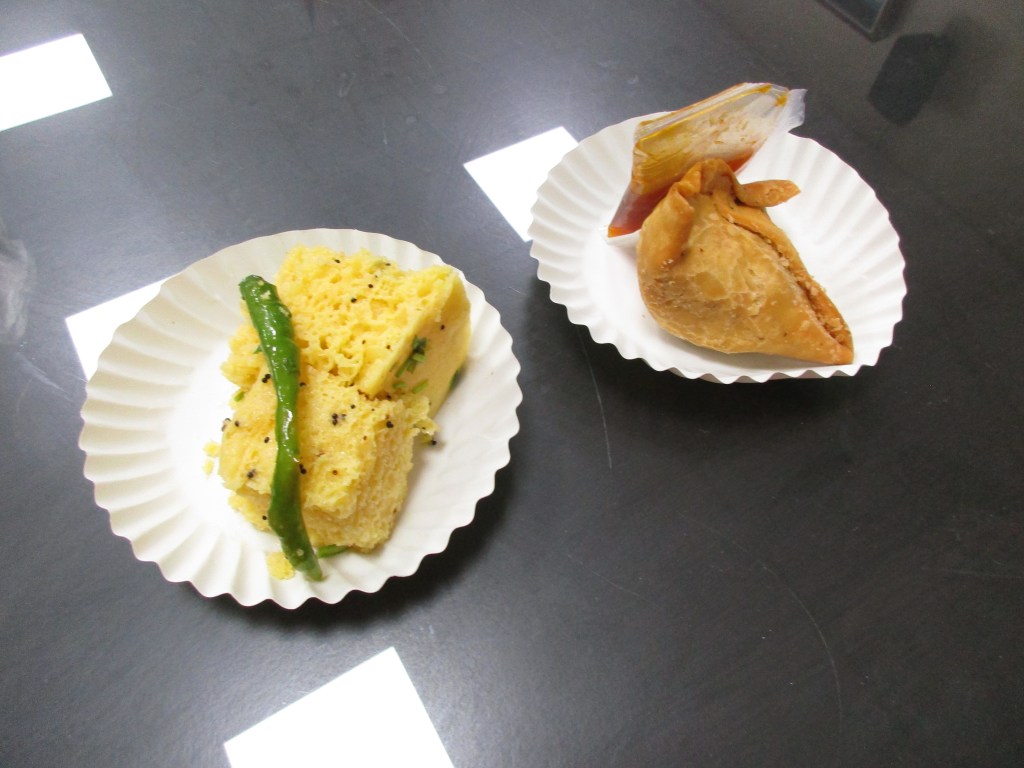
Toward the end of our intense month while the students worked hard on installing their exhibit one of them went out and brought in snacks to sustain us. This included samosas, fried pastries stuffed with potato, and dhokla, a steamed bread typical of Gujarat.
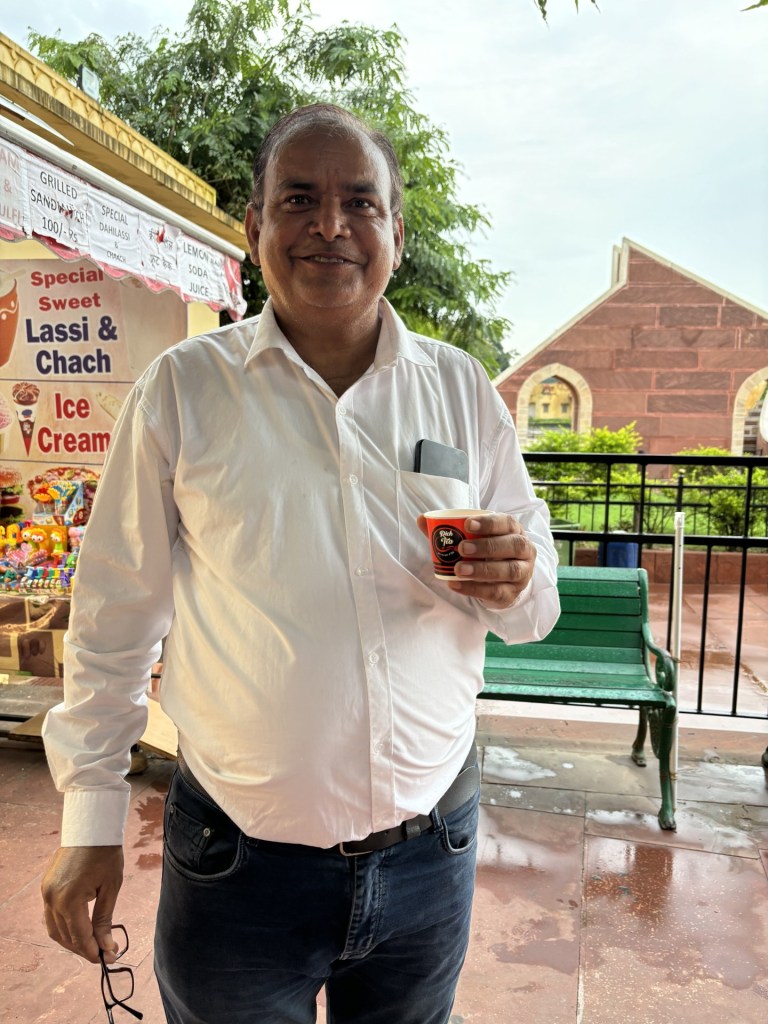
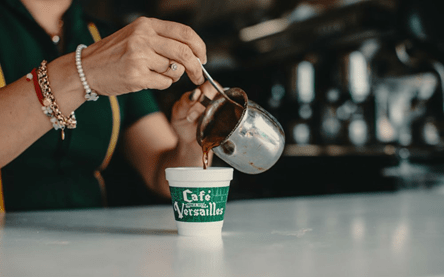
Chai break. When our tour guide enjoyed his afternoon chai break, I was again reminded of home in Miami and our daily cafecito break.
Food in India, to be continued …
 Creatively Annette
Looks great! Looking forward to the continuation.
LikeLike