I find it difficult to imagine that barely a year ago I stepped off of a small airplane into another world – my 2024 August Adventure in India, in Jaipur to teach an intensive museum studies course to graduate students of museum studies and archeology at the University of Rajasthan.
Among the many visual memories from that all-too-short period of time were the many, many variations of architecture features. Strange as it may seem, the built environment including doorways and other apertures and openings especially stood out to me.
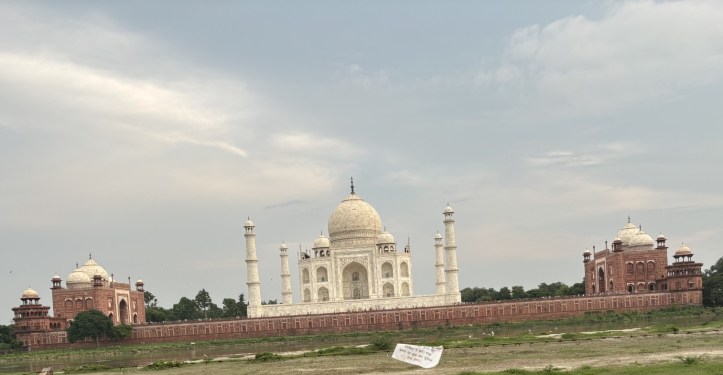
In this blog, you can find a number of examples of my encounters with cultural heritage in India. Different aspect of traditional culture stood out every day, wherever I was. And no matter where I traveled, my eye was frequently drawn, often upward, to architecture and distinctions in the structural details in different traditions. The following are just a sampling of what I photographed in Jaipur, Jodphur, on the road to Agra to see the most amazing architectural treasure, the Taj Majal.
India is rich in architectural history. It speaks to the passage of peoples through this sub-continent and to design sensibilities here. I learned about Hindu doorways and the use of lintels and the Moghul use of arches.
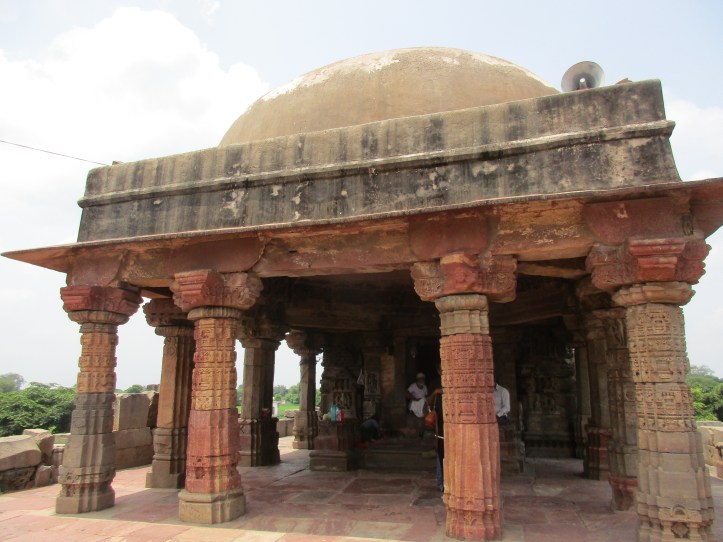
I imagine there also regional distinctions; on my brief sojourn, however, I was only introduced to the built environment of Rajasthan.
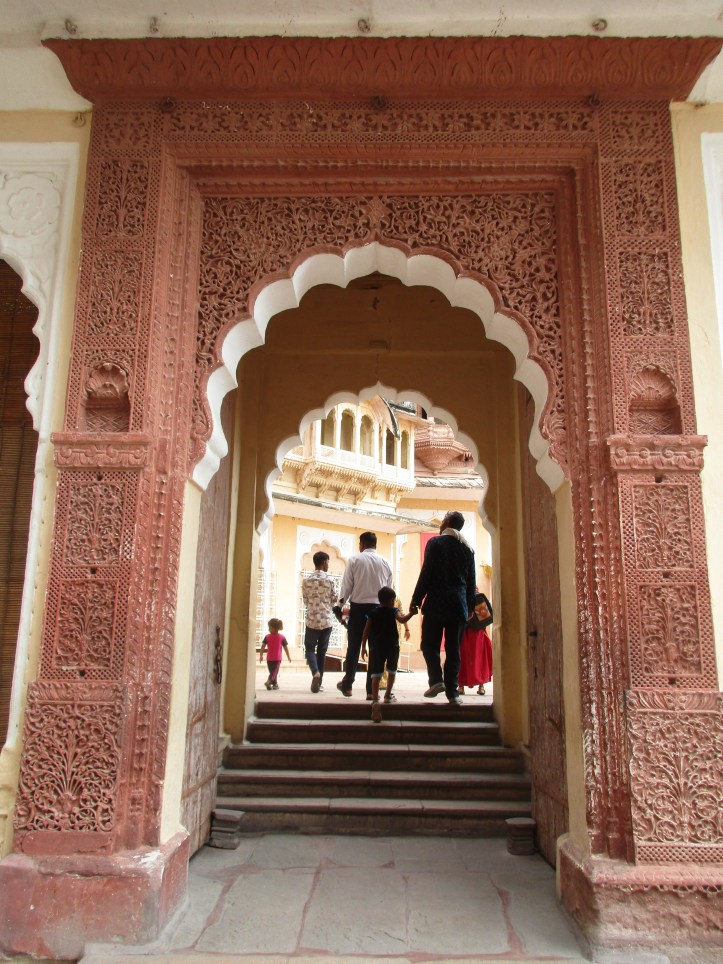
Apertures – doors, windows, storage spaces, and other uses of space – caught my eye daily. I snapped photos of different openings in the amazing historic buildings or simply walking down the streets. Their shapes and how some are designed to flow one into another frequently drew me in.
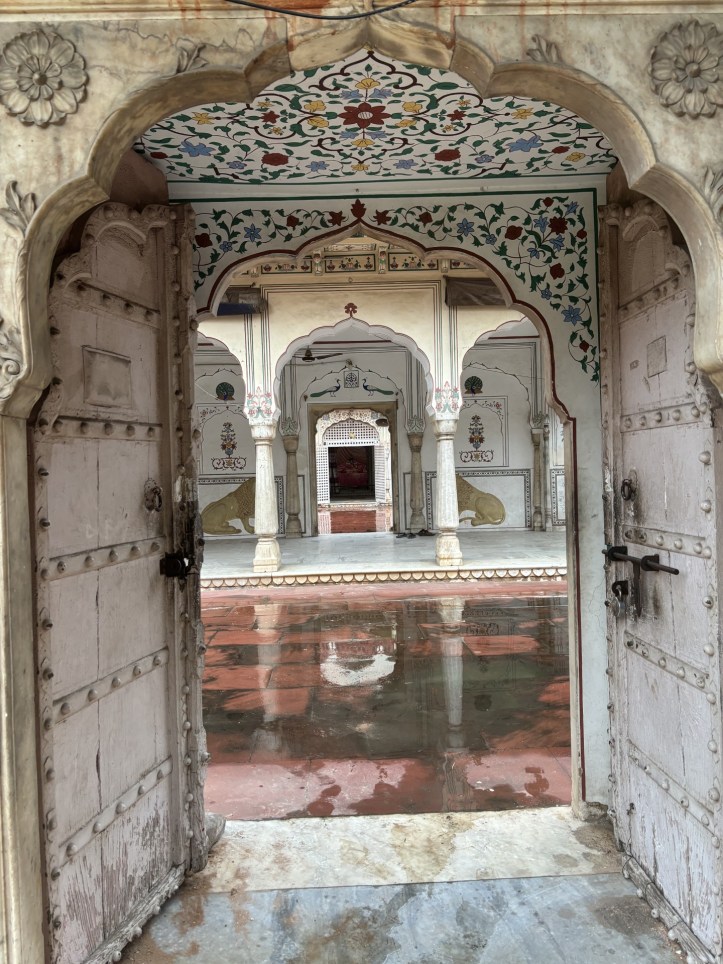
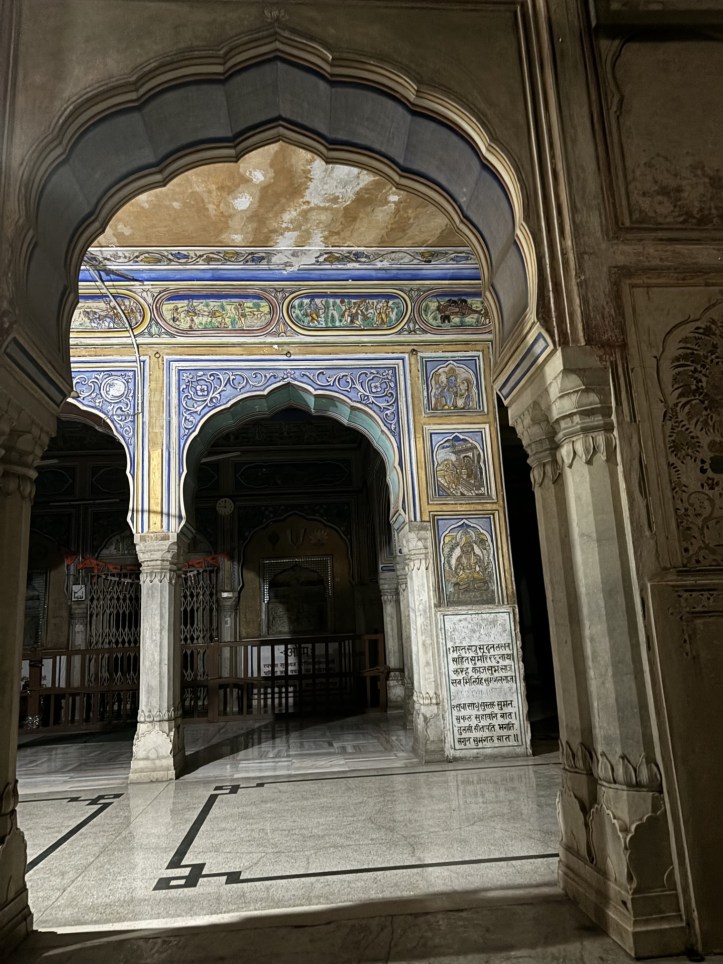
Decorative patterns inside and outside the different openings were also attractive.
Gates
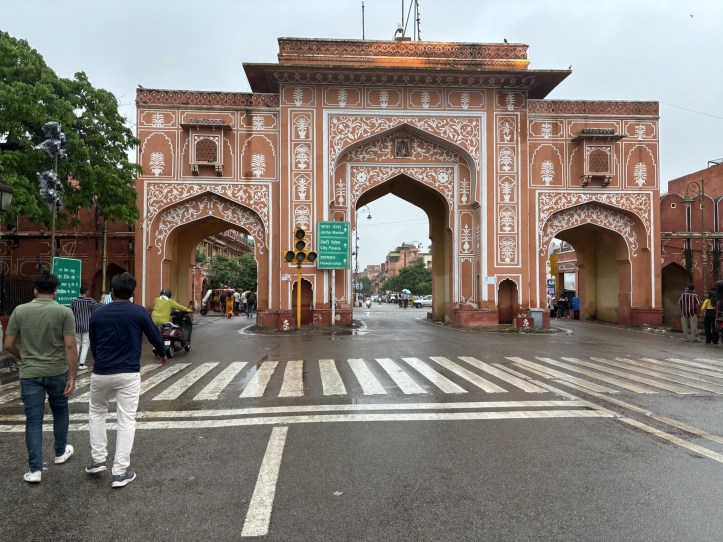
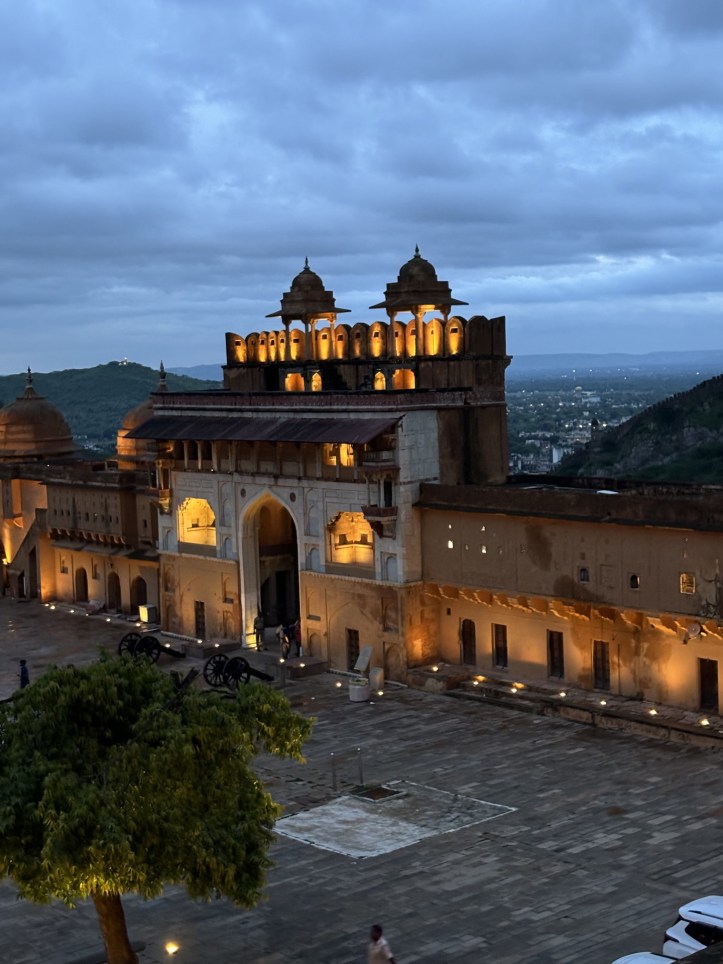
Doorways/Archways
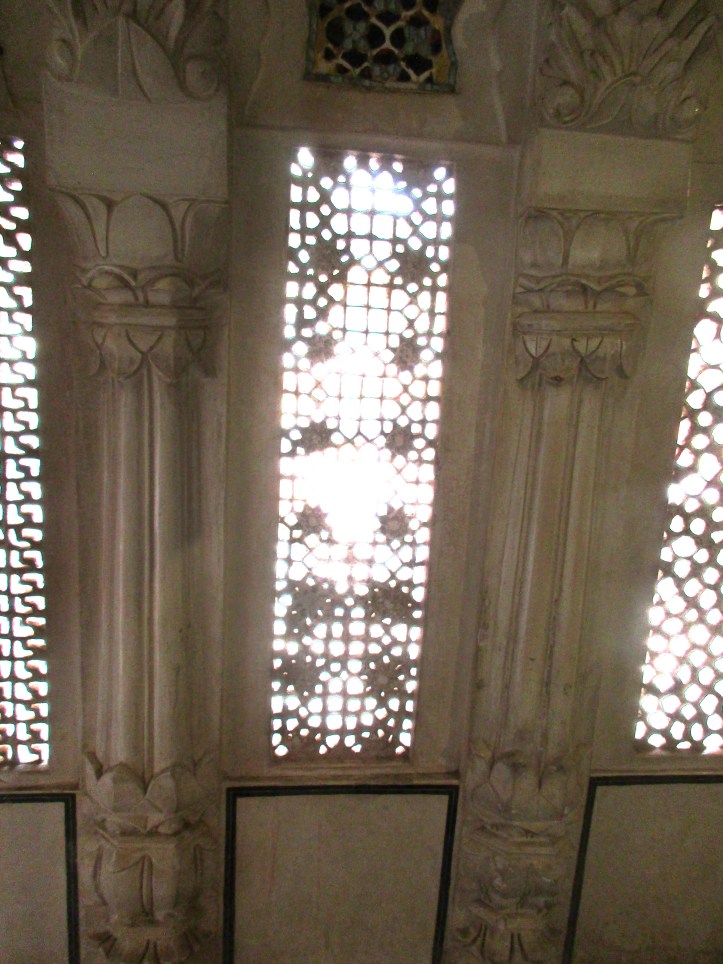
Windows
These windows at Mehrengari Fort in Jodphur are carved from a single piece of stone.
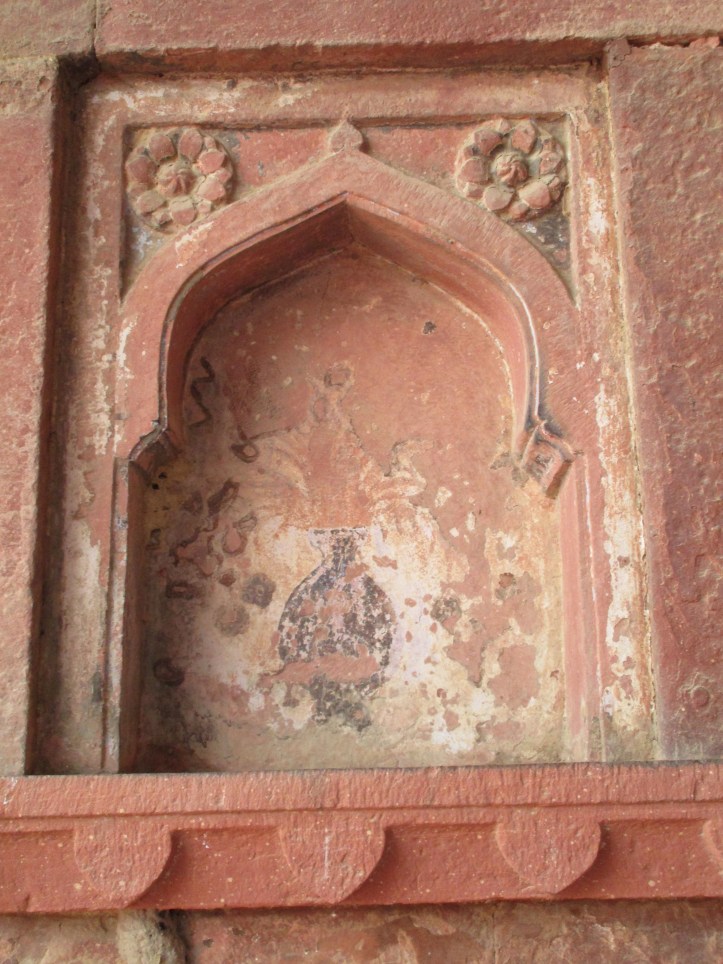
Recesses or Cubby holes, for lack of another word, some for lighting
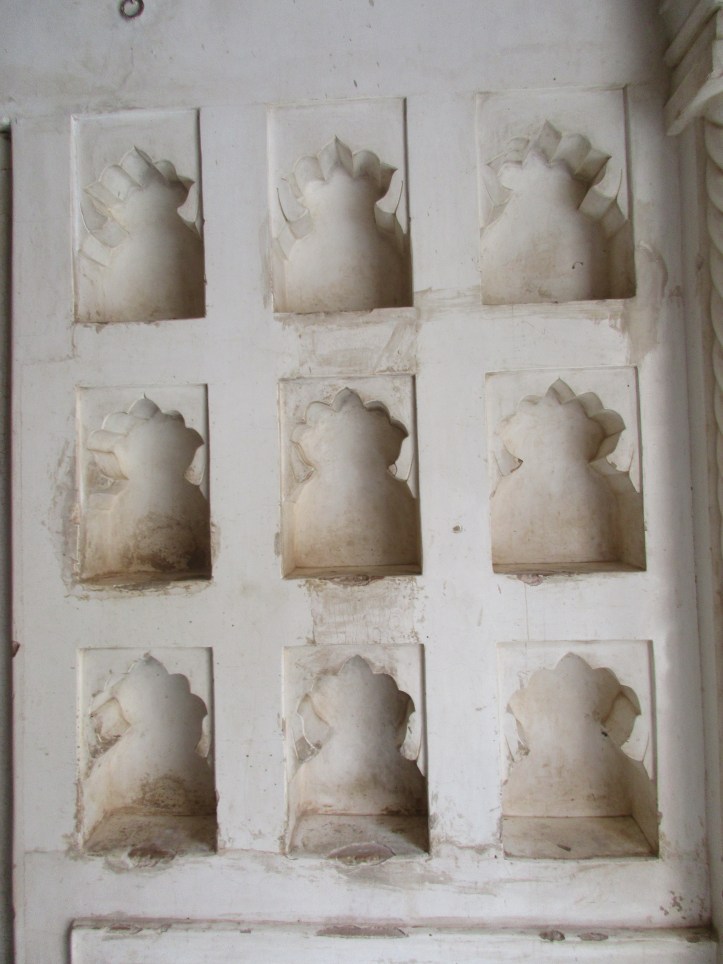
The above are just a few samples of the architecture that I saw. There’s much more!
 Creatively Annette