The animal kingdom is fully part of the human realm in Indian culture and mythology. For both Hindu and Buddhist belief systems humans, animals, and birds are found on the same plane of existence. Sacred animals are highly visible in everyday life.
Animals abounded all almost everywhere I looked in India.

Cows. The cow wandering in roadways is an image well known outside of the country. In fact, they are found all over the place, along the side of the road, in the center of the road, seemingly not belonging to anyone.
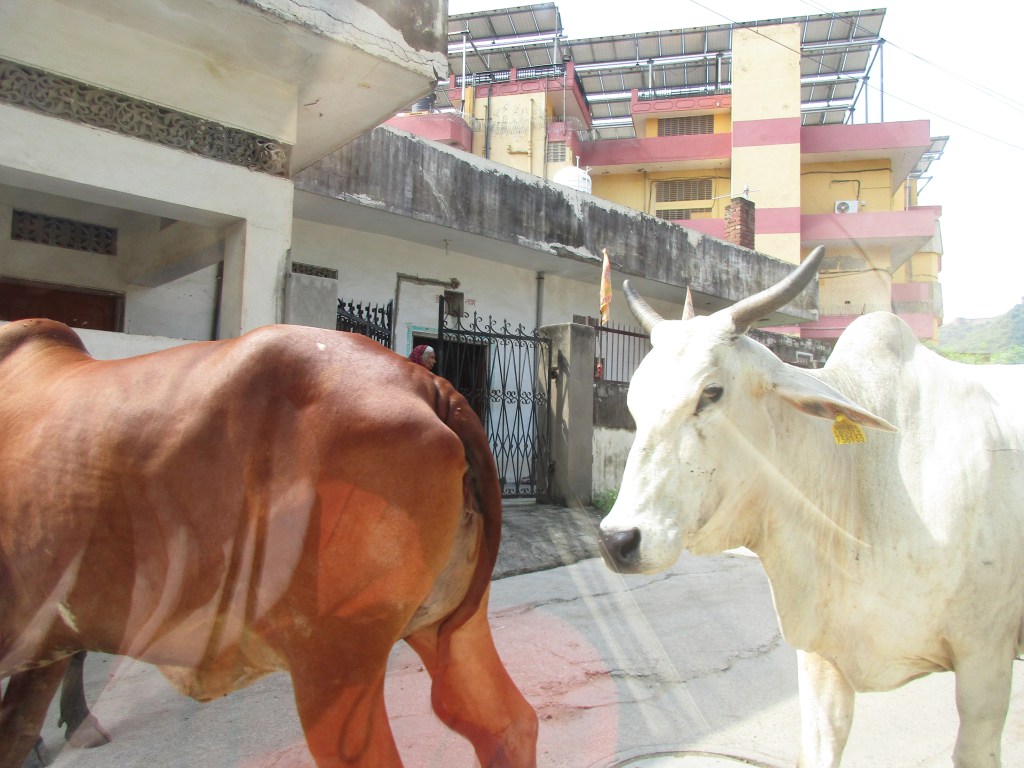
In the Hindu religion, the cow is sacred status. It represents the mother goddess who gives life.
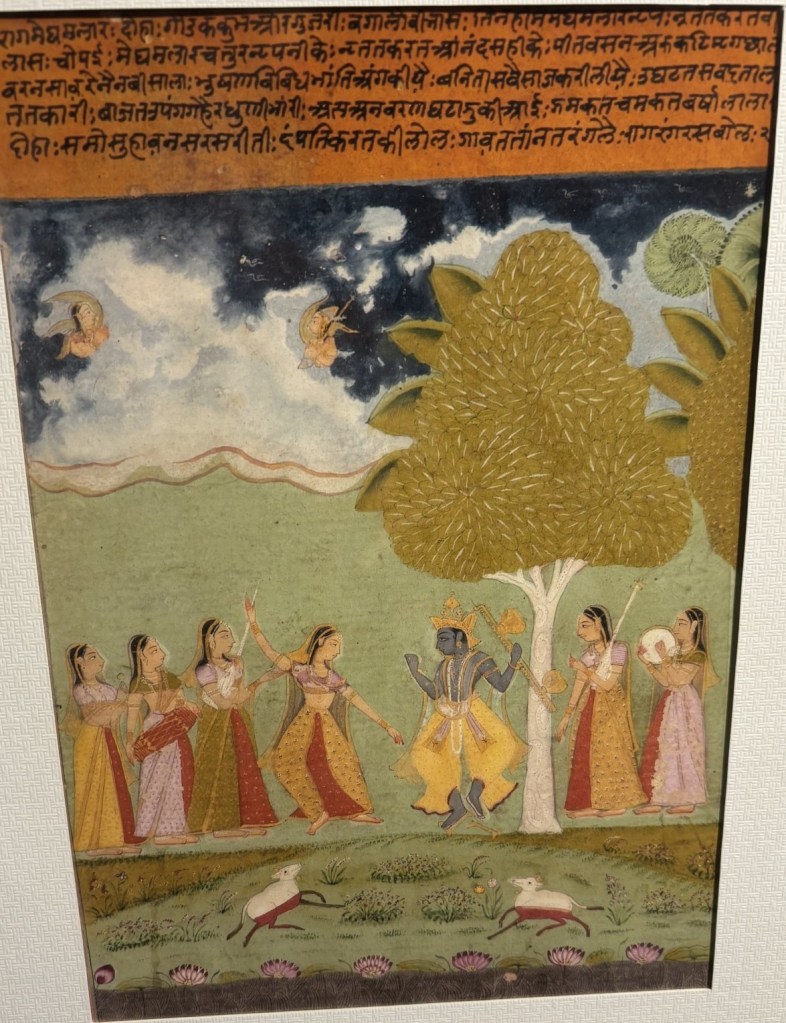
Krishna, a central Hindu deity, is often portrayed in stories recounting his life as a cowherd, referring to him as the child who protects cows.

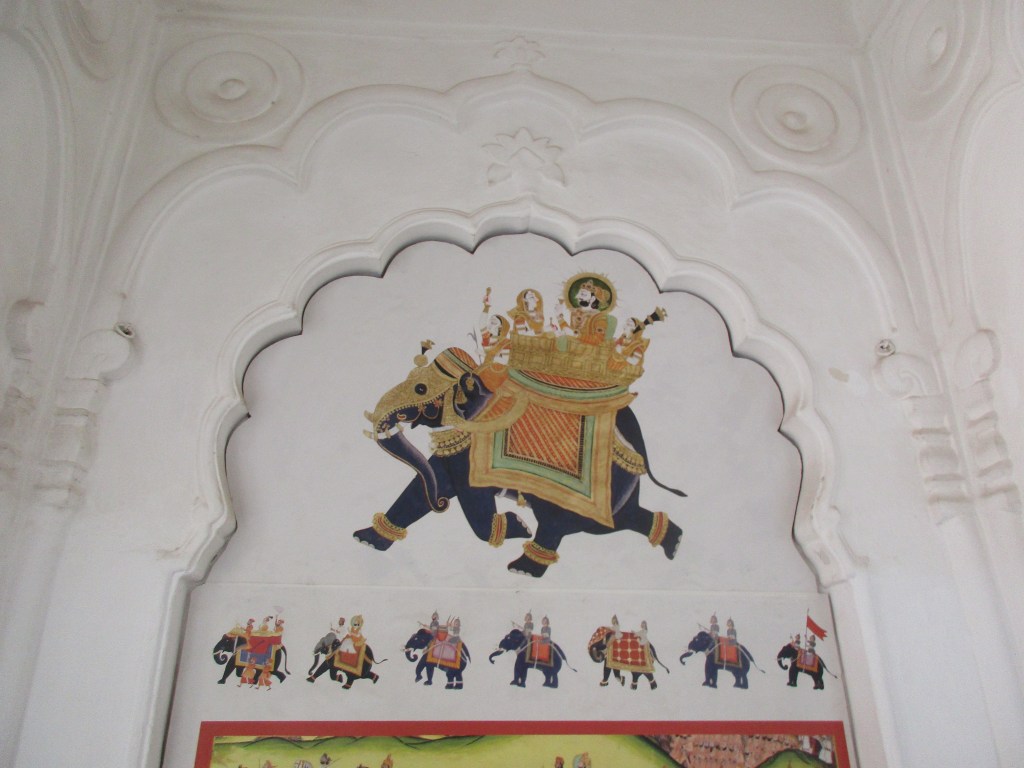
Elephants. For centuries, Indians have regarded the elephant as its cultural symbol. The elephant is associated with Buddha and the Indian deity Ganesh, who has an elephant head and human body; they often symbolize power, wisdom, strength, protection of the home, and fertility.

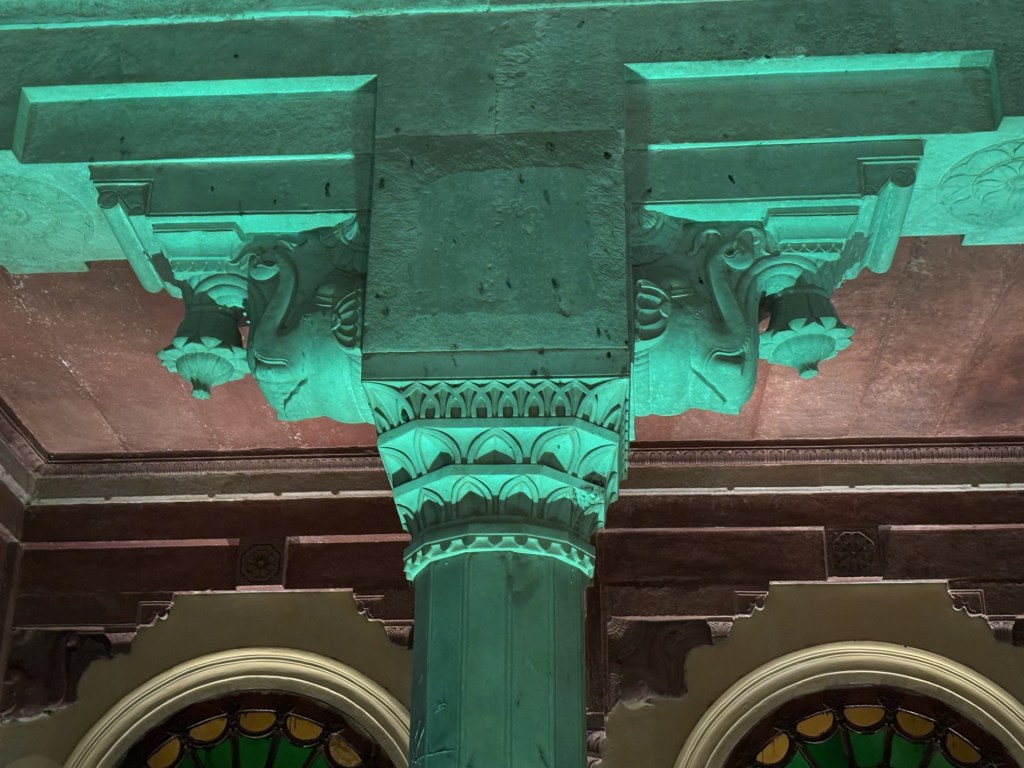
Continuing the traditional practice, even today elephants in India are used in temples and religious festivals.
Monkeys. Another is the ever-present monkey. Cute as they maybe, tourists are cautioned to keep their distance. They are known as thieves and for unpleasant biting.
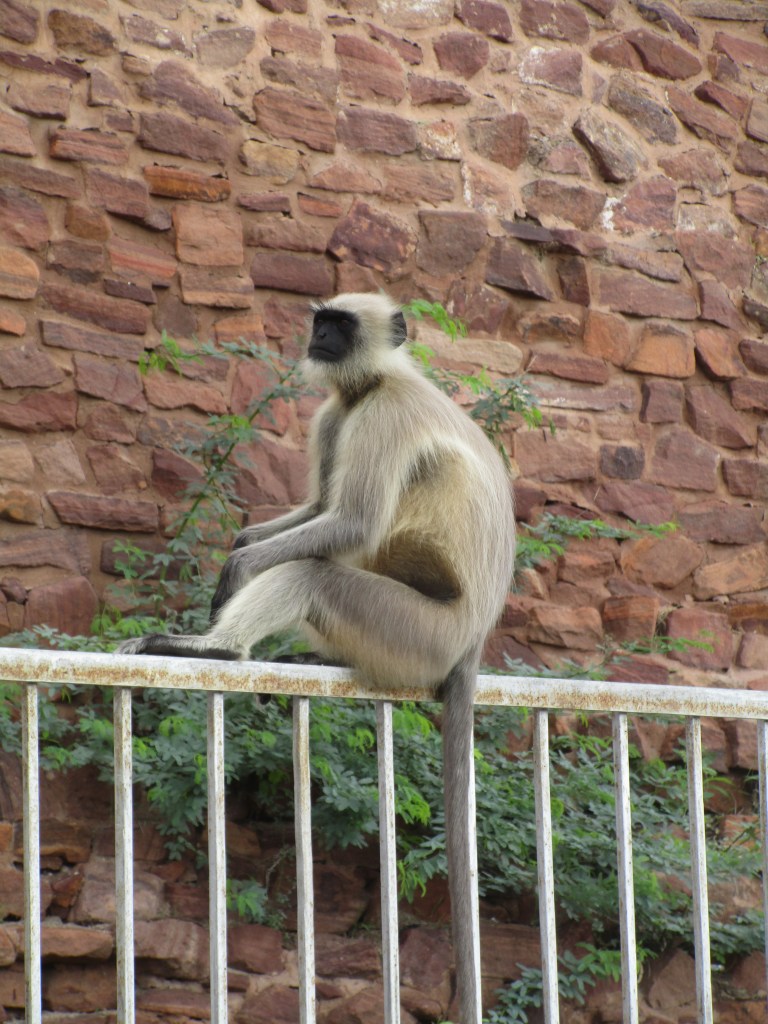
Like the cow, the monkey is ubiquitous in urban India. The monkey is depicted in the Hindu god Hanuman, the god of power and strength.
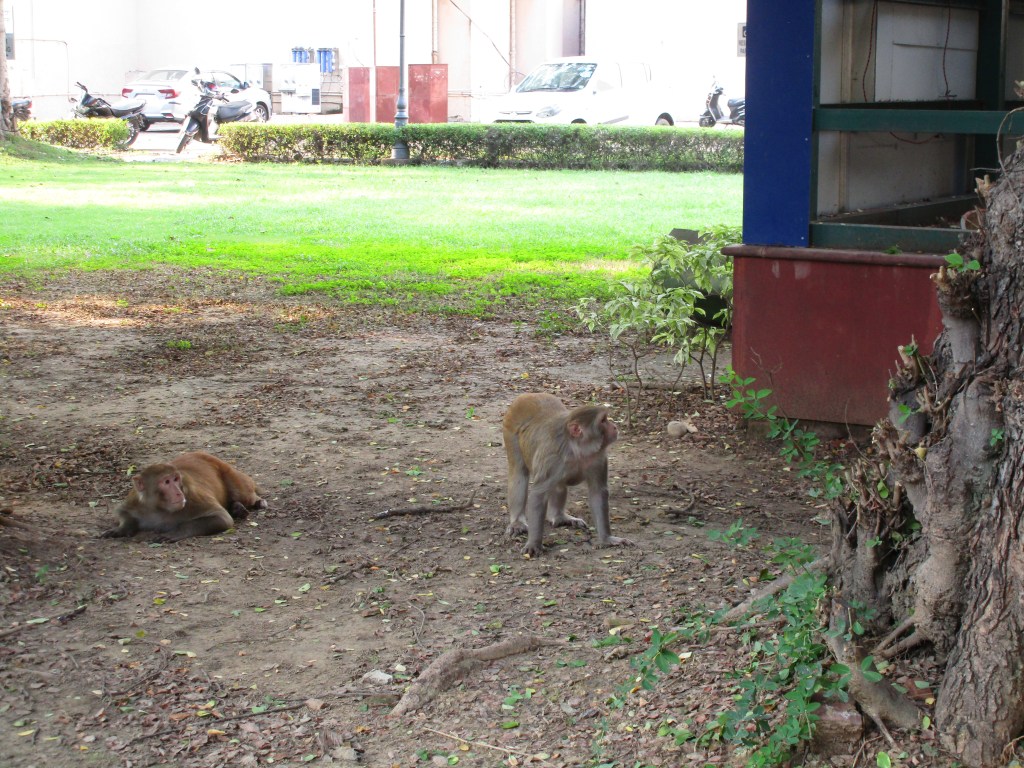
Devout Hindus leave food out for them at temples where they congregate.

Monkeys can be widely seen in Hindu religious artworks but are also associated with Gandhi who famously owned almost nothing but whose possessions included a small statue of the three wise monkeys.

Goats. Goats are another animal I saw here and there, in city streets and being herded in the countryside. One driver pointed out that they are frequently seen in Muslim areas where their meat is part of the cuisine.
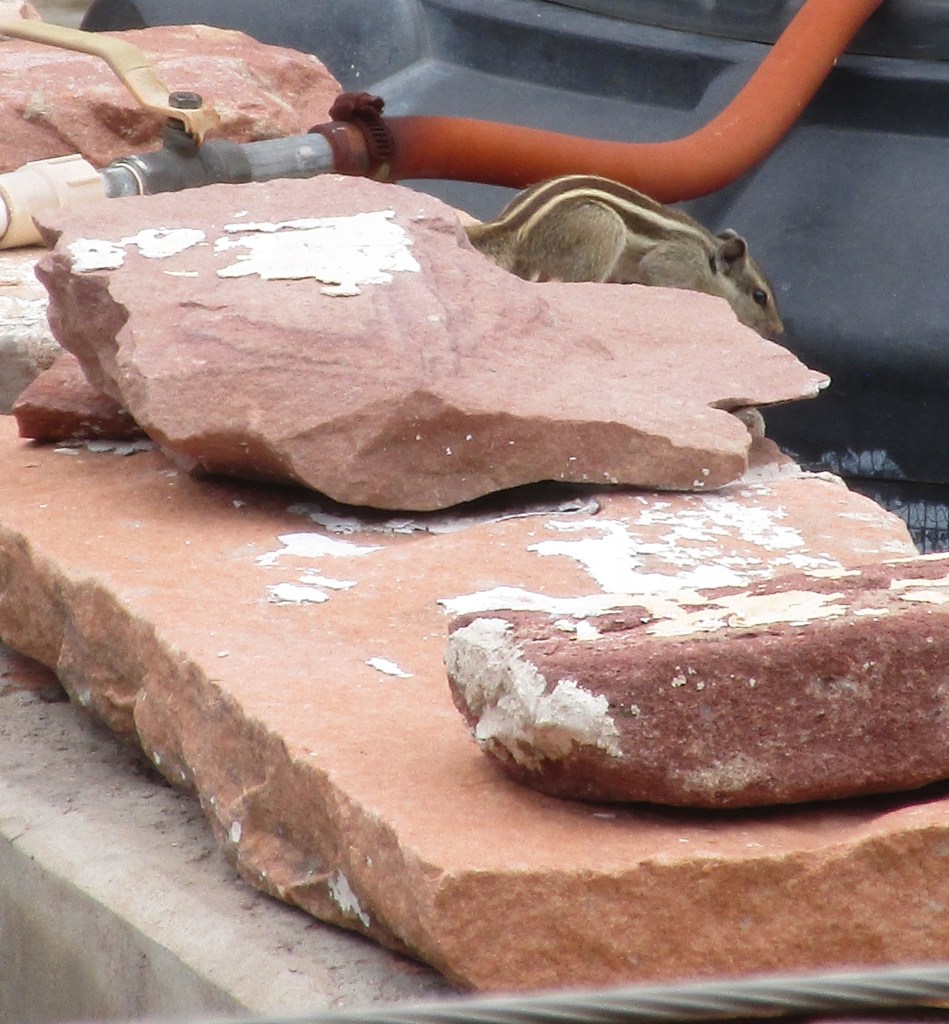
Squirrel / chipmunk. Several times, quick little animals crossed my path. Our guide in Jaipur called them squirrels. The Indian squirrel, specifically the Indian palm squirrel, is what we in the US call a chipmunk! Both are members of the Sciuridae family.
Next the birds. The raucous cries of peacocks, the national bird of India, broke the silence of the guest house courtyard almost every evening. I rarely saw them there, however. The peacock has significance in Buddhism, Hinduism, Islam, and Christianity, and has also been celebrated as a secular symbol of beauty, love, romance and life itself. Their images are found in many forms of art including literature, jewelry, craft, paintings, murals, and decorative motifs on buildings.
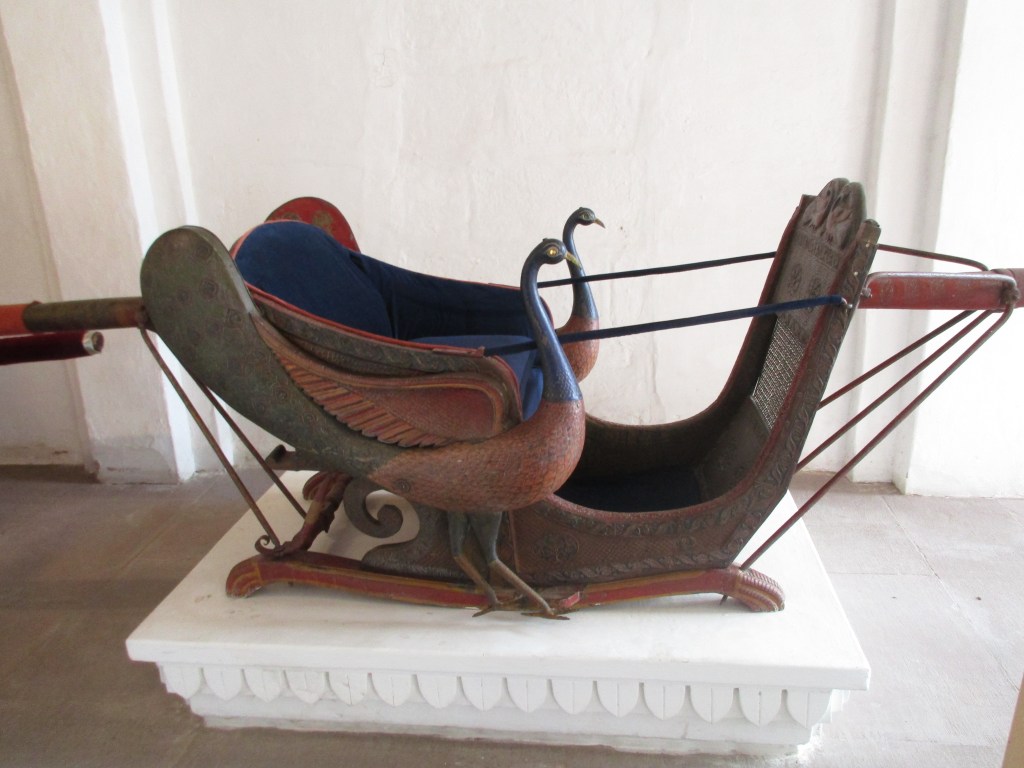
I was told that it’s difficult to photograph peacocks because they are shy.

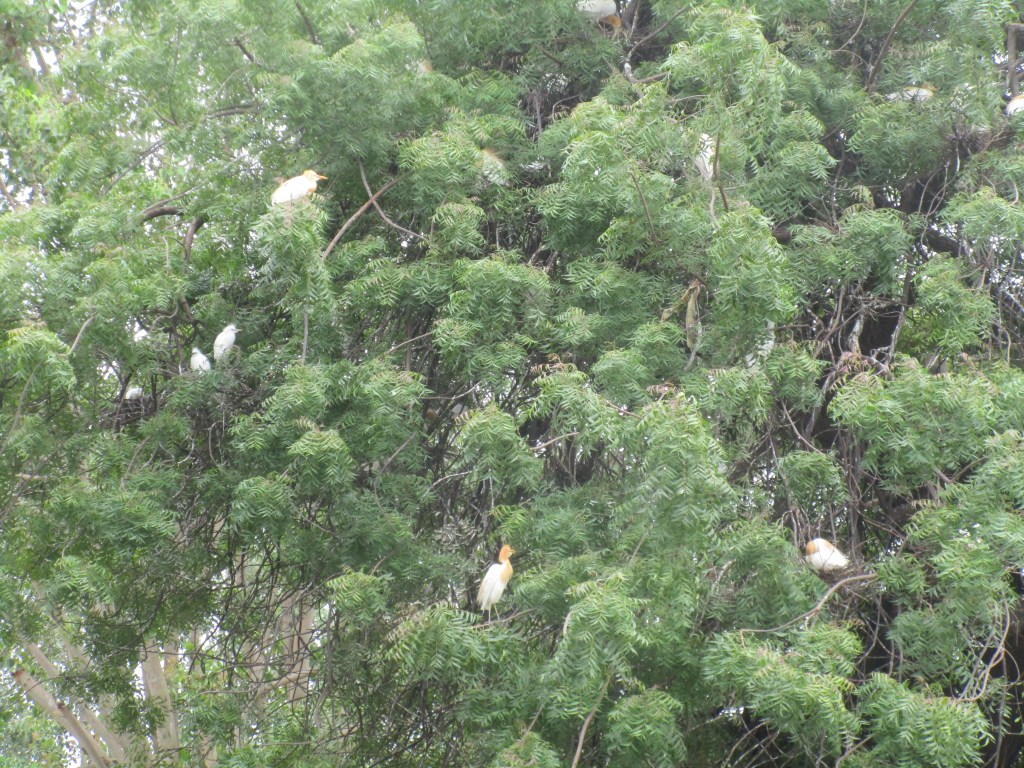
Another bird I saw infrequently were egrets, a bird found frequently in Florida. Apparently, there nine species of herons in India. I might have seen two! The first were at the Jodhpur train station when we were leaving at dusk, just the time when they were returning to their roosting place.
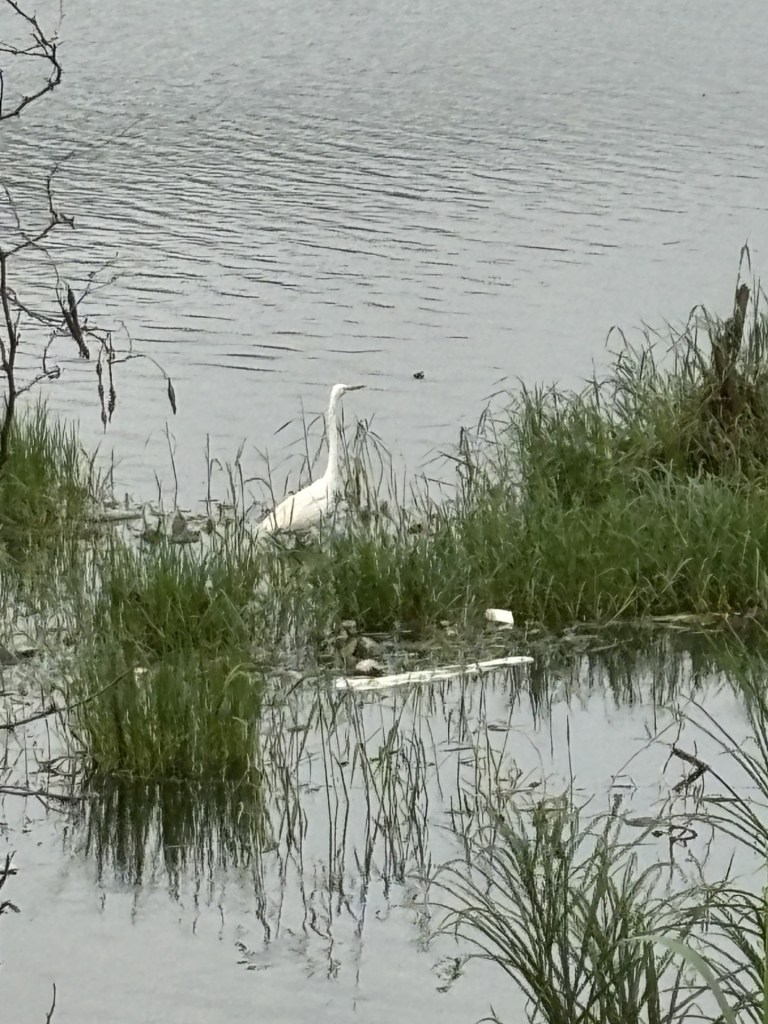
I saw another egret in the grasses or reeds along the Man Sagar Lake in Jaipur where the Jal Mahal (Water Palace) patiently floats.
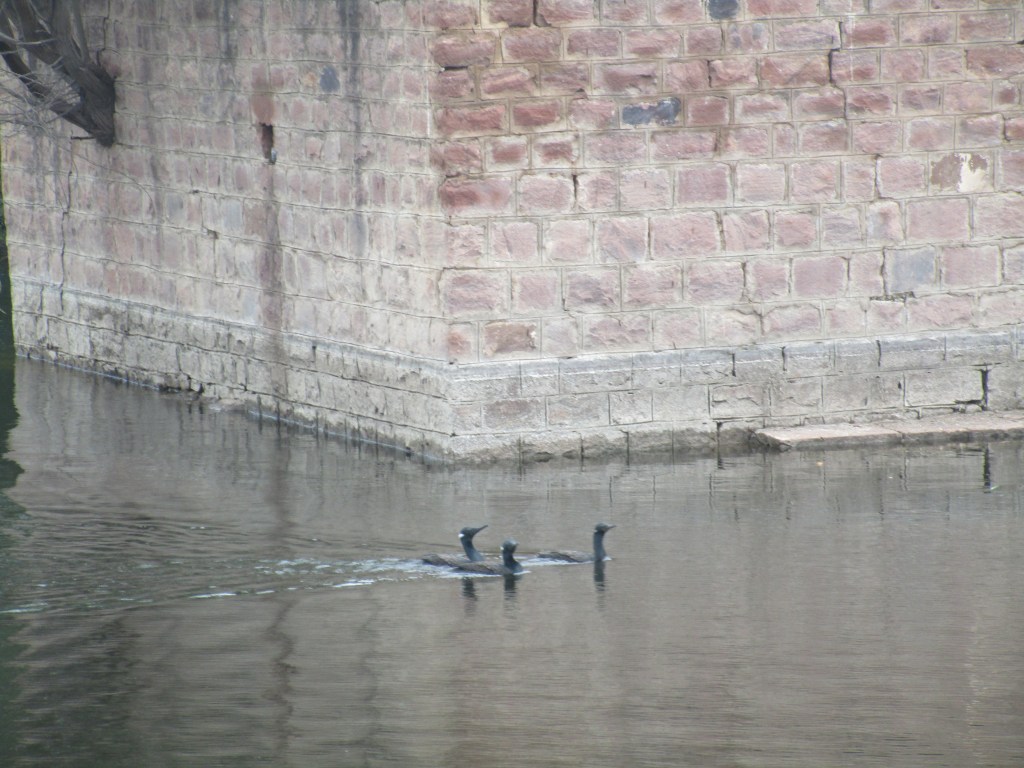
Cormorants are a water bird that fascinate me and I always confuse them with anhingas.
Here’s another point of today’s meandering … It seems that after I left my India month behind, India followed me. I departed Jaipur immediately for Greece to participate in a conference. Every time I return to Greece, I see change, as would be expected. In two locations in Athens’ Plaka I saw Indian restaurants.

More recently, the elephants came to Miami Beach. Art Week is the best time for the Great Elephant Migration (https://thegreatelephantmigration.org/) to take temporary residence. Over eighty elephants are crossing the beach daily to tell the story of the situation of elephants in India (November 24-December 10) .

Among the many visitors, a family of immigrants from India:

The goal of this unique collaboration between indigenous artists, contemporary artist, and cultural institutions is to raise money to fund human-wildlife coexistence projects and protect animals. The herd is criss-crossing the country; the Miami sojourn is only its third stop as they meander westward to Los Angeles.
Imagine that, my month teaching in India has gone full circle to bring me to one of the many events of our annual Art Week; an amazingly inspiring event that emphasizes the vital need for sustainabilty and consciousness.
 Creatively Annette
Interesting that peacocks in India are considered difficult to photograph. That’s not the case in South Florida!
LikeLike