Like many travelers, I did a modicum of online research about what to find during my stay in India. So much stood out; luckily I was able to squeeze some of the best in between my teaching schedule. Several structures stood out on my must-see list. These are stepwells and an astronomical observatory. They were all conceptually and visually astounding. Here are the stepwells that I was able to visit.
Stepwells, or baoris, are in essence cisterns or water storage tanks. The first stepwells were created all over India as early as 1,500 year ago; the highest concentration is found in the north of the country where I was.
The purpose of these structures is to collect rain during monsoon season. Their walls are lined with stone blocks arranged often geometrically into a series of steps leading down to the water. People descend into the well to collect water for drinking, bathing, washing clothes, and irrigating crops during the dry season. Historically, stepwells served as gathering places for the local community.

After my first event-filled week at the University of Rajasthan, a colleague took me to Jodhpur. We spent much of our first day exploring Mehrengari Fort (see 14 August 2024 post). The next day, thanks to two young local lawyers, I enjoyed more of the visual treasures of the Blue City. There I was introduced to the 18th century Toorji Ka Jhalra, or Toorji’s Stepwell, named for Maharaja Abhay Singh’s consort, Maharani Toorji, who built it in the 1740s. The stepwell was a vital water source and a crucial gathering point for the community to perform religious rituals. It was only recently uncovered.

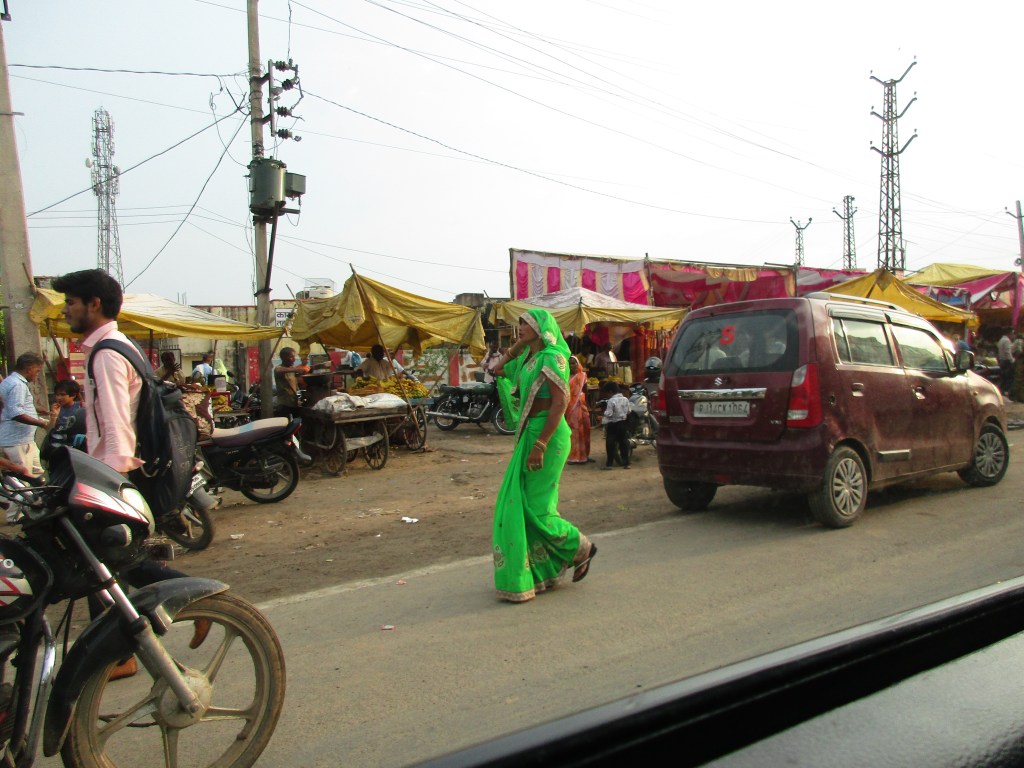
Before Daughter and I set off on a weekend excursion to Agra, every visitor’s pilgrimage to see the Taj Mahal, someone recommended that we stop at Abhaneri. After requesting that our driver make this detour, we found ourselves on a dusty road through nameless villages and colorful fields.
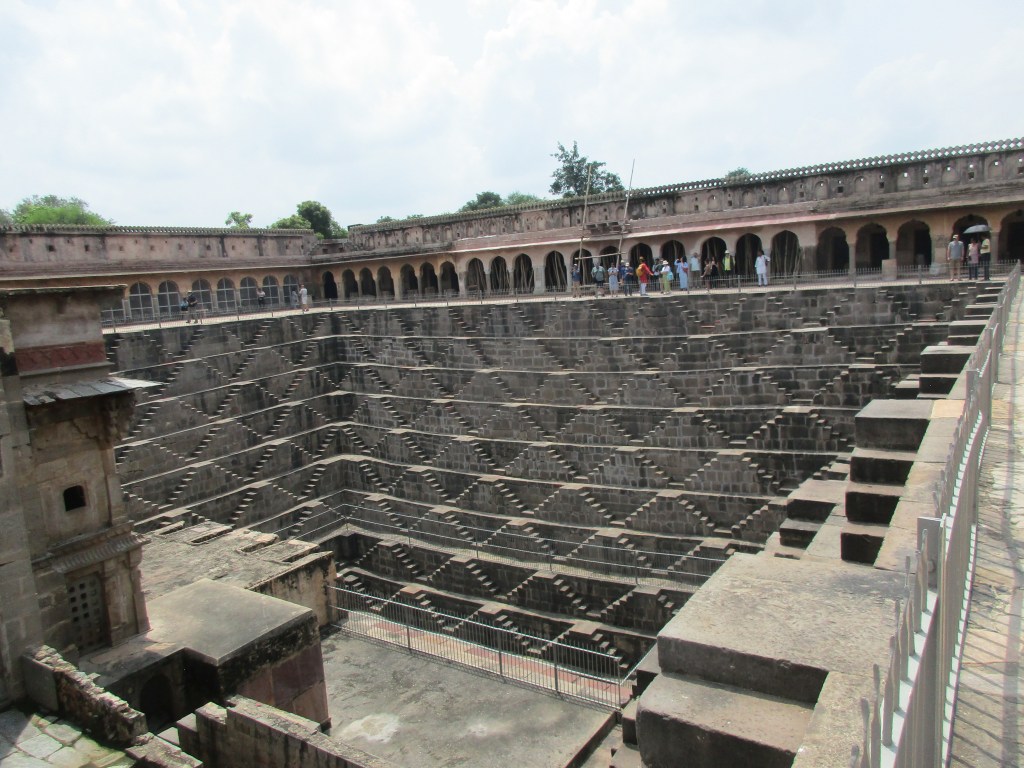
The Chand Baori of Abhaneri is said to be one of the oldest and largest stepwells in Rajasthan. There are 3,500 steps lining three sides of the 13-storeys of the central tank, creating a criss-cross, geometric pattern.
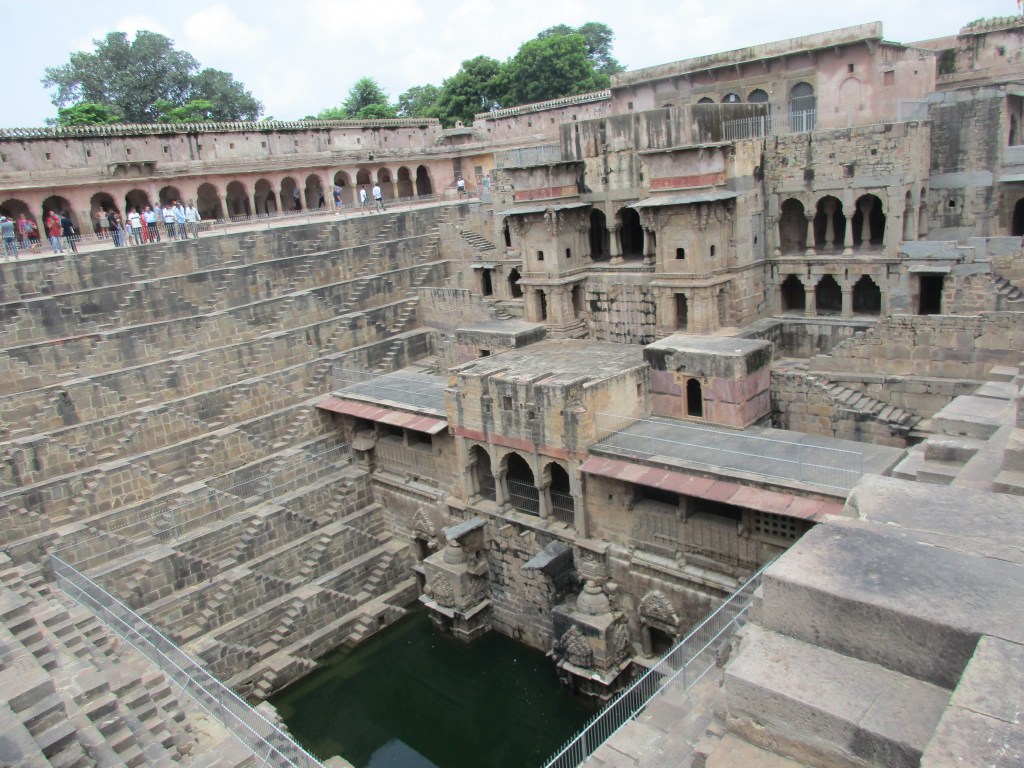
It is a carved stone confection reflecting 9th century Hindu styles of king Raja Chanda and later Mughal additions including an 18th century summer pavilion with a special lounging room and more. It is believed that Raja Chanda had established Abhaneri (earlier known as Abha Nagri – the city of brightness).
Located opposite the stepwell is the temple of Harshat Mata, the goddess of happiness. The temple was extensively damaged in the 10th century by Mahmud of Ghazni and later the Mughals, who destroyed much of the structures. Two stepped terraces and a structure are all that remain.
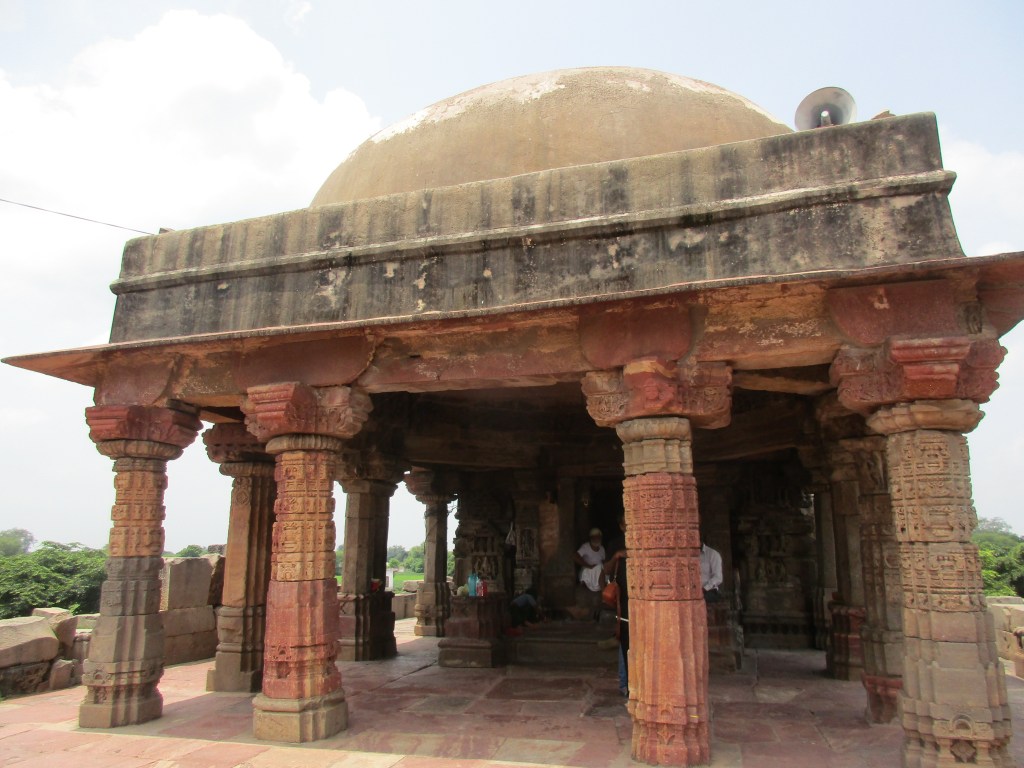
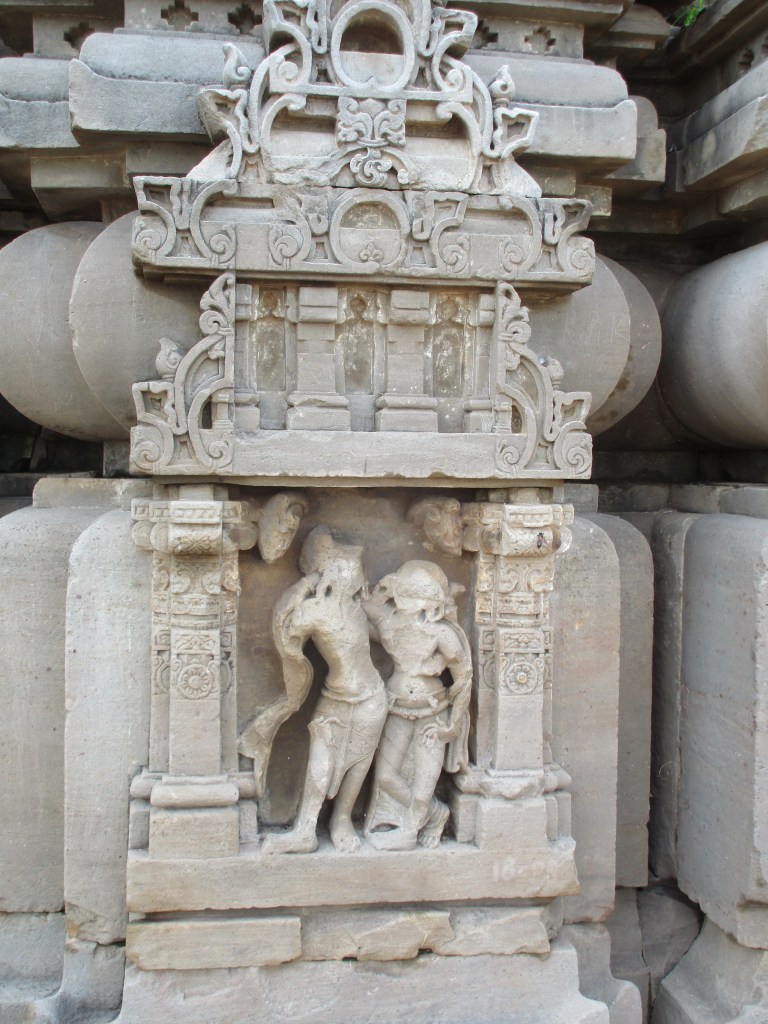
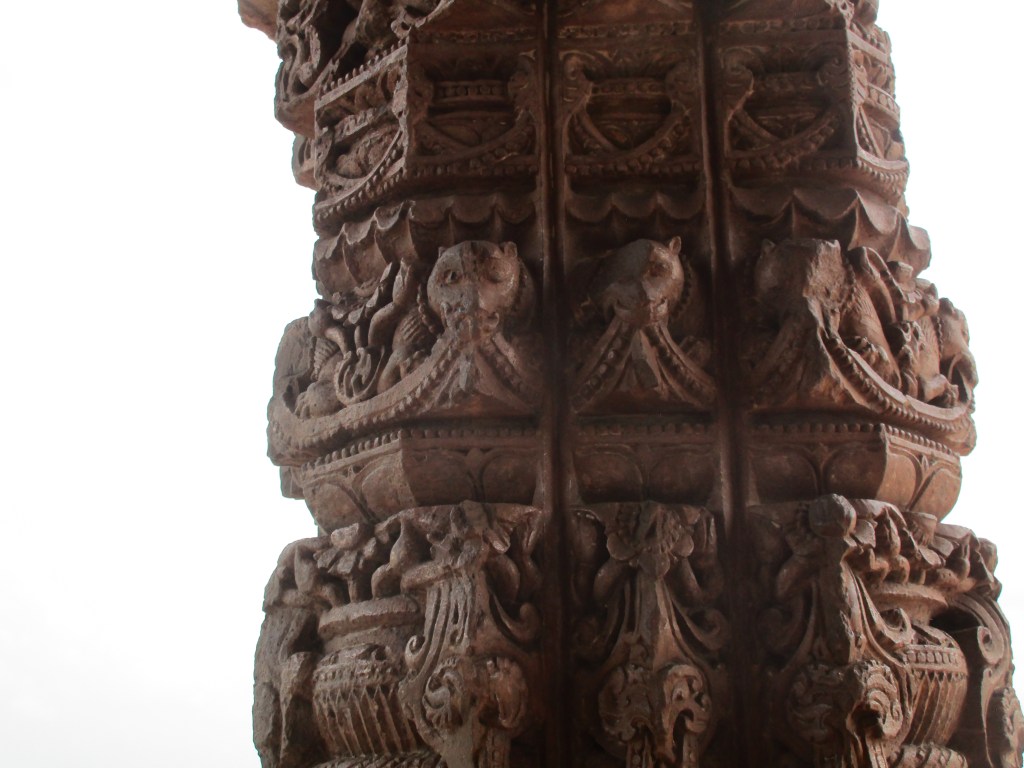
The original temple was dedicated to Lord Vishnu. The image of a Devi locally called Harshat Mata is found there today. While the temple is partly in ruins, with some of its pillars fallen and scattered the main attraction is the intricately carved limestone sculptures and columns around the main terrace.
A Jaipur destination I found in the travel literature is the Panna Meena ka Kund at Amer near the Amber Fort. Panna Meena ka Kund is a square-shaped stepwell, with stairs on all four sides and a room perhaps for religious ceremonies on the northern wall. Octagonal gazebos, known as Chhatris, are found on each of the four corners. It was built during the 16th century reign of Maharaja Jai Singh. For the last two decades, this stepwell has been maintained by the local municipal authority,

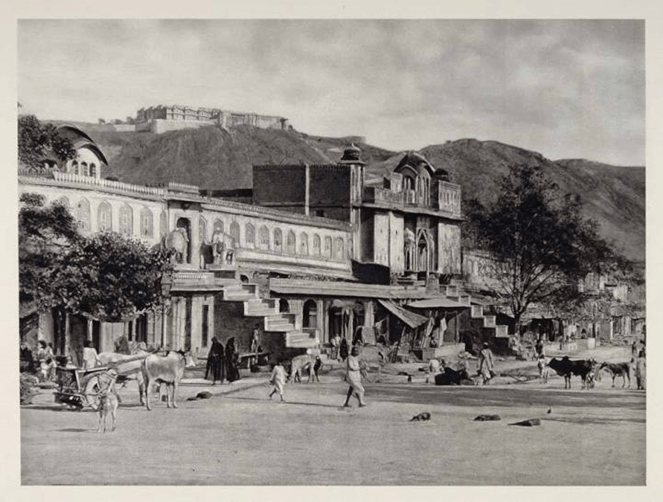
Many stepwells have been left untended and are in bad repair. The recent interest in heritage monuments, however, has led to the preservation and restoration of many. In 2018, when the Chhoti Chaupar square in the center of Jaipur was being excavated for the new metro line, the stepwell there was (re)discovered. It had long been covered over and subsumed into the busy marketplace.
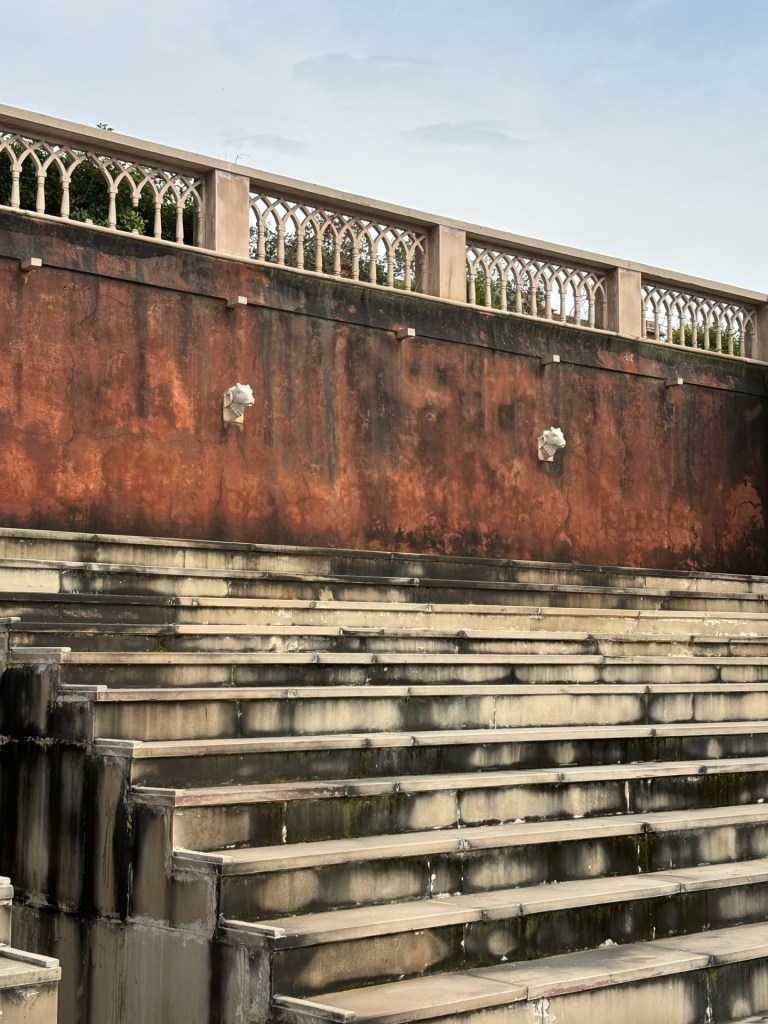
One of the features of this arena-style stepwell are gomukhs (cow mouth). These waterspouts through which rain water could flow downward were set around the sides of the stepwell. The originals are in the museum, copies in their original places.
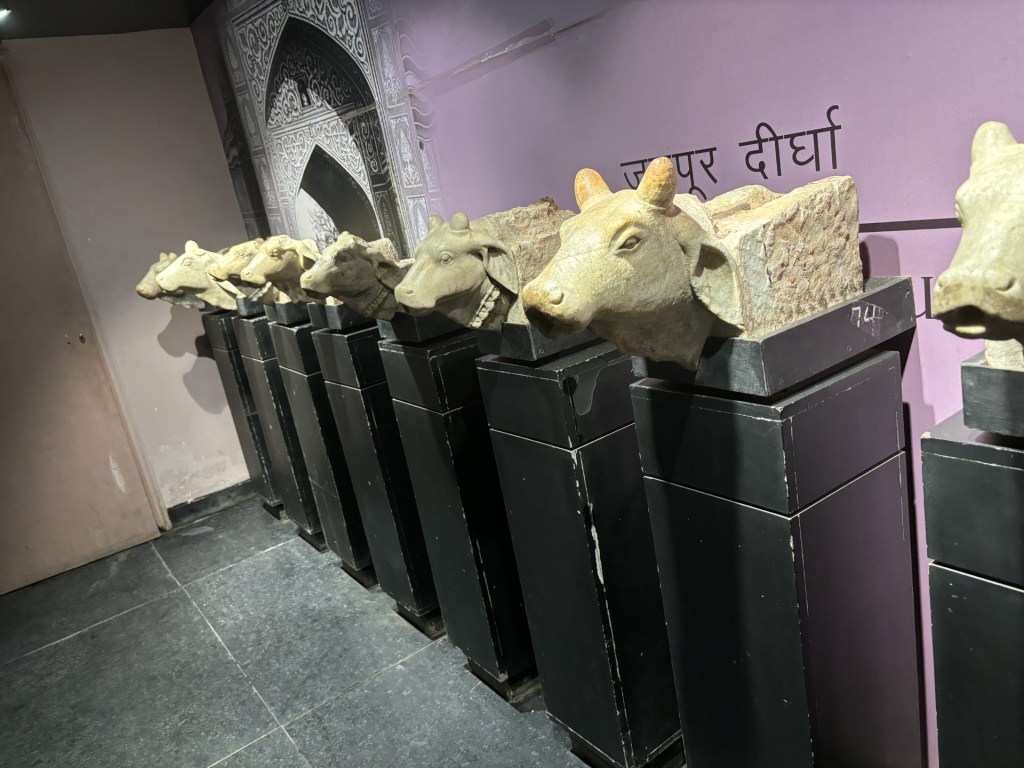
Underground and surrounding the restored at Chhoti Chaupar stepwell in the Metro station is the Jaipur Metro Art Gallery, India’s first museum in a Metro station. The Art Gallery and the excavated stepwell were inaugurated on August 15, 2018. Rajasthan’s rich archaeological artifacts, sculptures, and Ragmala paintings are on display.
 Creatively Annette